studioe
Warren Dykeman
CV | Website | @warrendykeman
EXHIBITIONS
GLYPH & GROUND, Oct 22 - Dec 5, 2026, studio e, Seattle, WA.
Somewhere, Right Now, 2026, studio e, Railspur, Seattle, WA.
FAST FLUX TEST: September/October, 2024
Guest curated by Amanda Donnan
Indie Folk: New Art and Sounds From the Pacific Northwest September/December, 2024, curated by Melssia E Feldman, Hallie Ford Museum of Art, Salem, OR.
Seattle Art Fair, July 2024
Tokico, March 2024, studio e, Seattle, WA.
Seattle Art Fair, July 2023
“Never mind, it’s absolutely pure.” October, 2022, Solo show
Time Will No Longer Tell: June/July, 2021, Solo show
A Gathering: June 2021, group show, The Catskills, NY
TREE: June, 2019 Vashon Center for the Arts
Organic Archival: December, 2019, group show
1 ROOM: August 2018
Attention Span: November, 2018, Solo show
Volta NY: March, 2018
Would I go home again?: October 2016, Solo show
Glue: September 9 - October 15, 2016, Group show
Yellow: May/June, 2016, Group show with: Gillian Theobald, Warren Dykeman, Robert Hardgrave, Brian Beck, Carole d’Inverno, Heather Wilcoxon, and Helen O’Leary
Drawn to Scale: August 2015, Group show
BIO
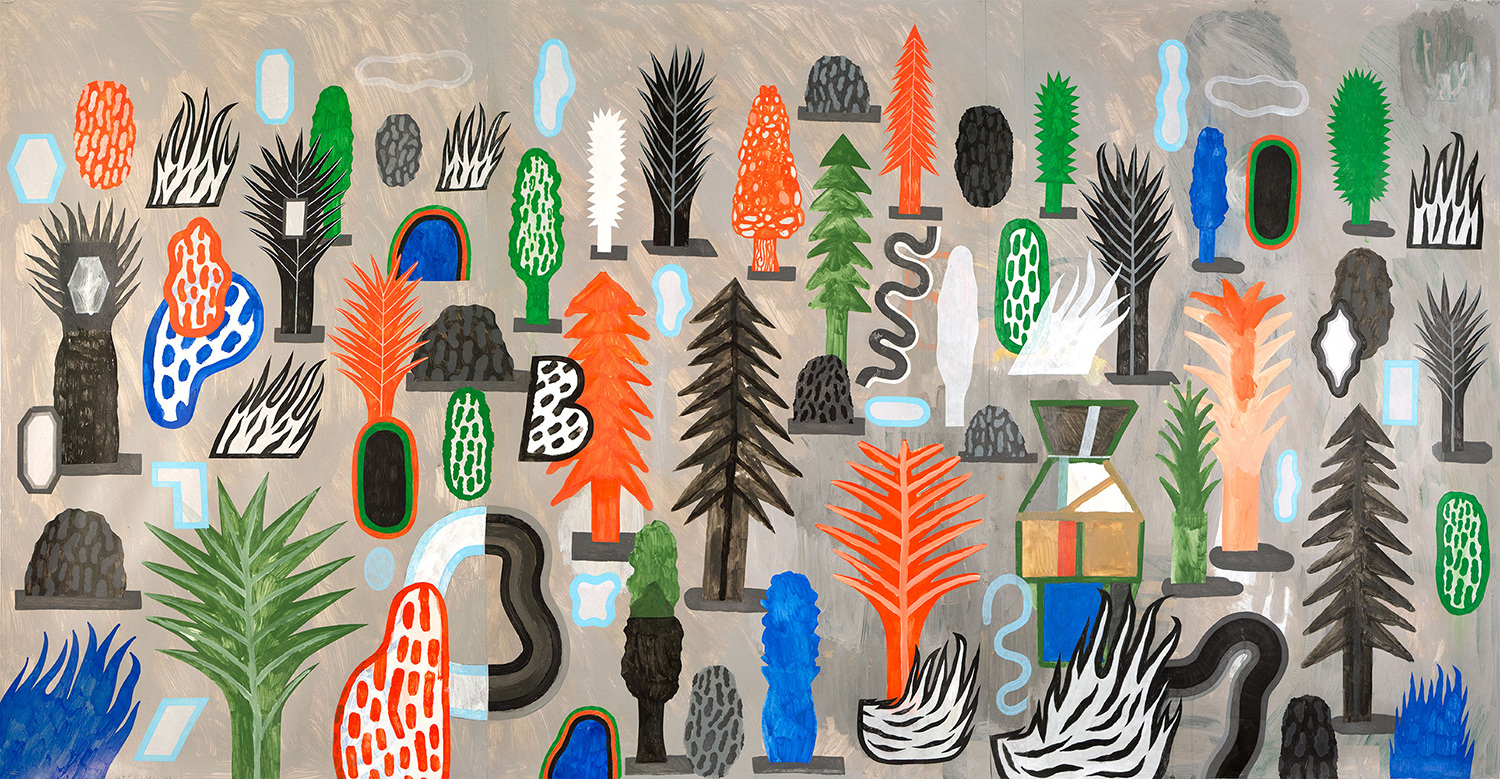
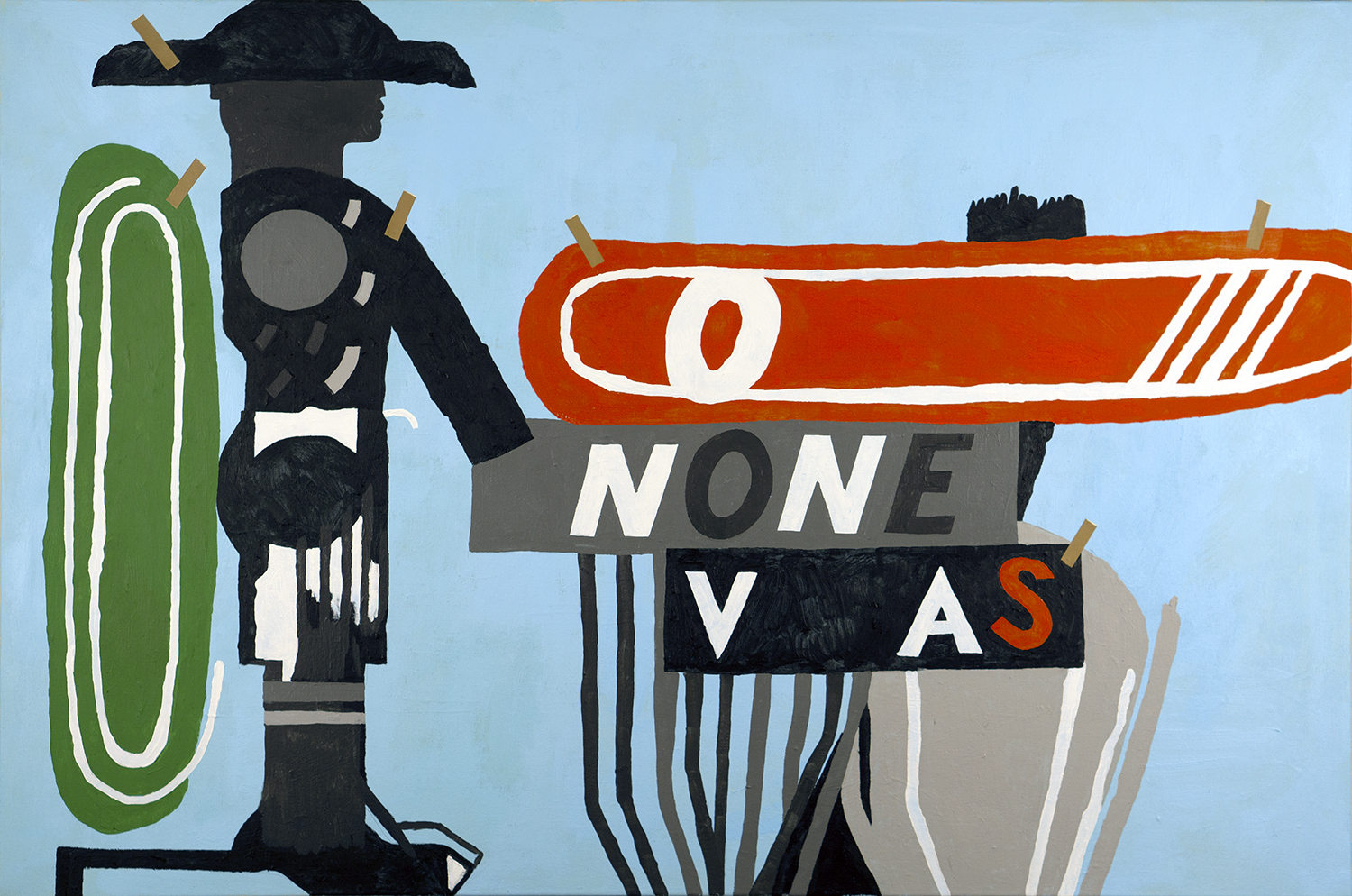
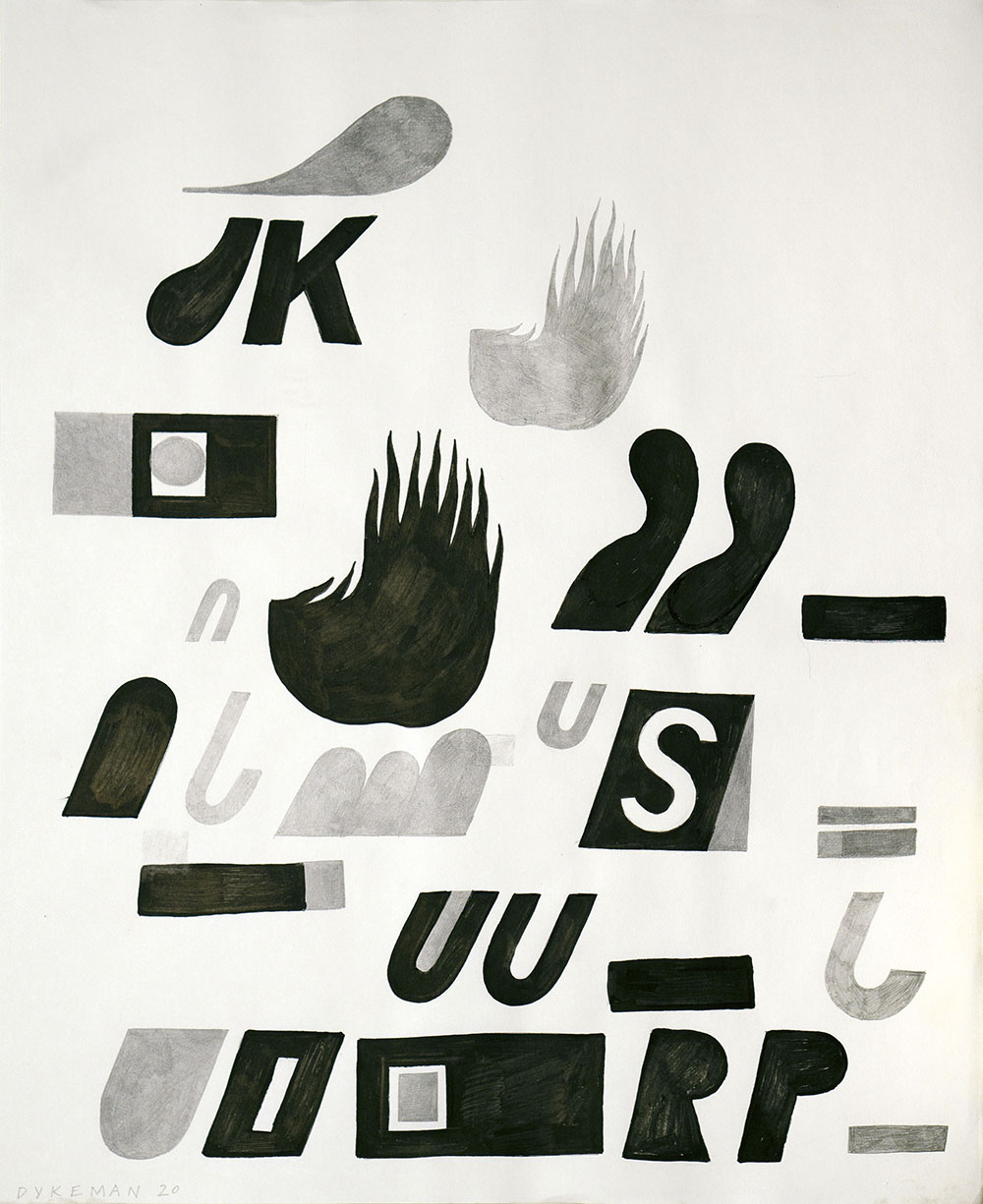
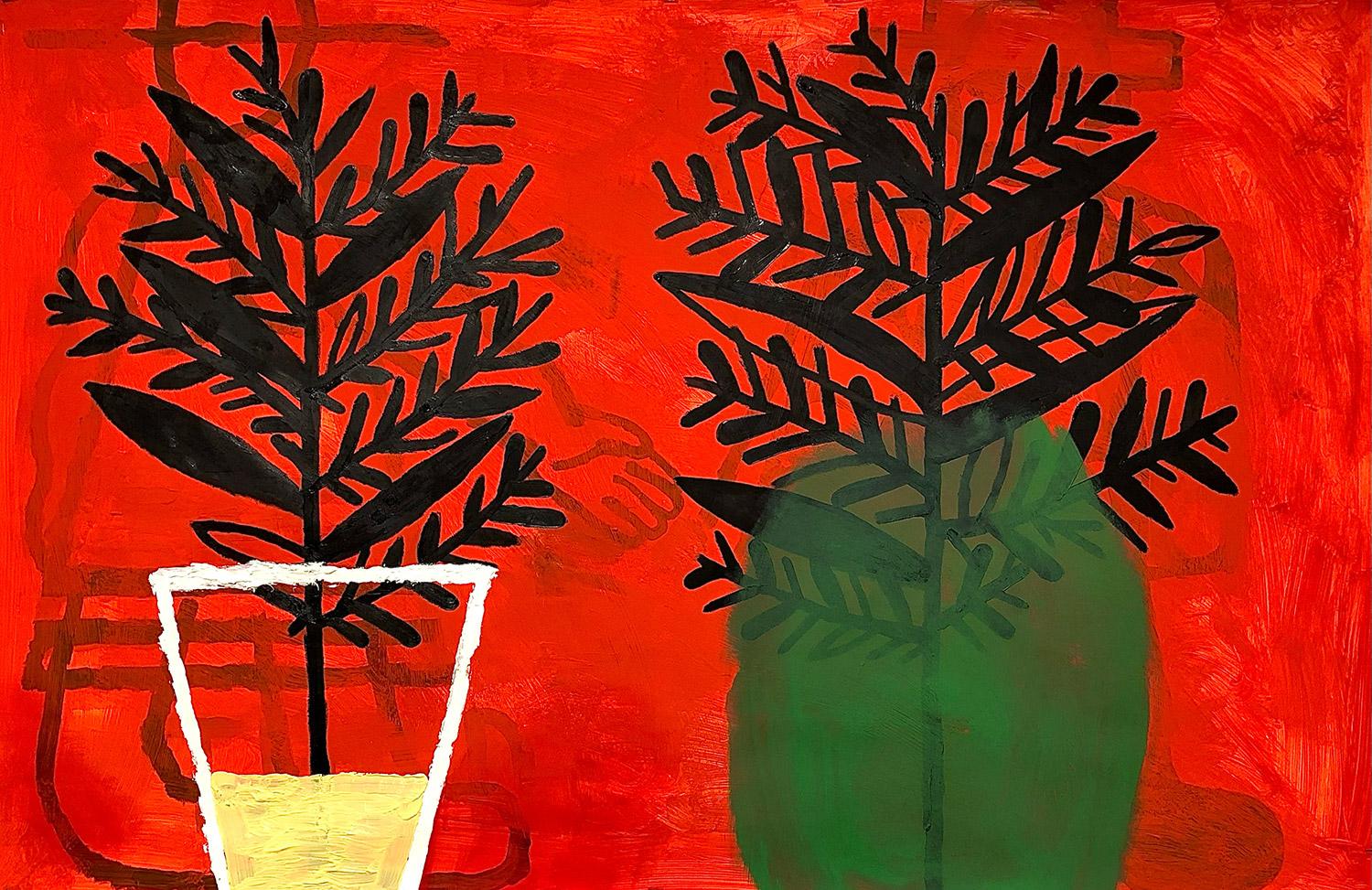
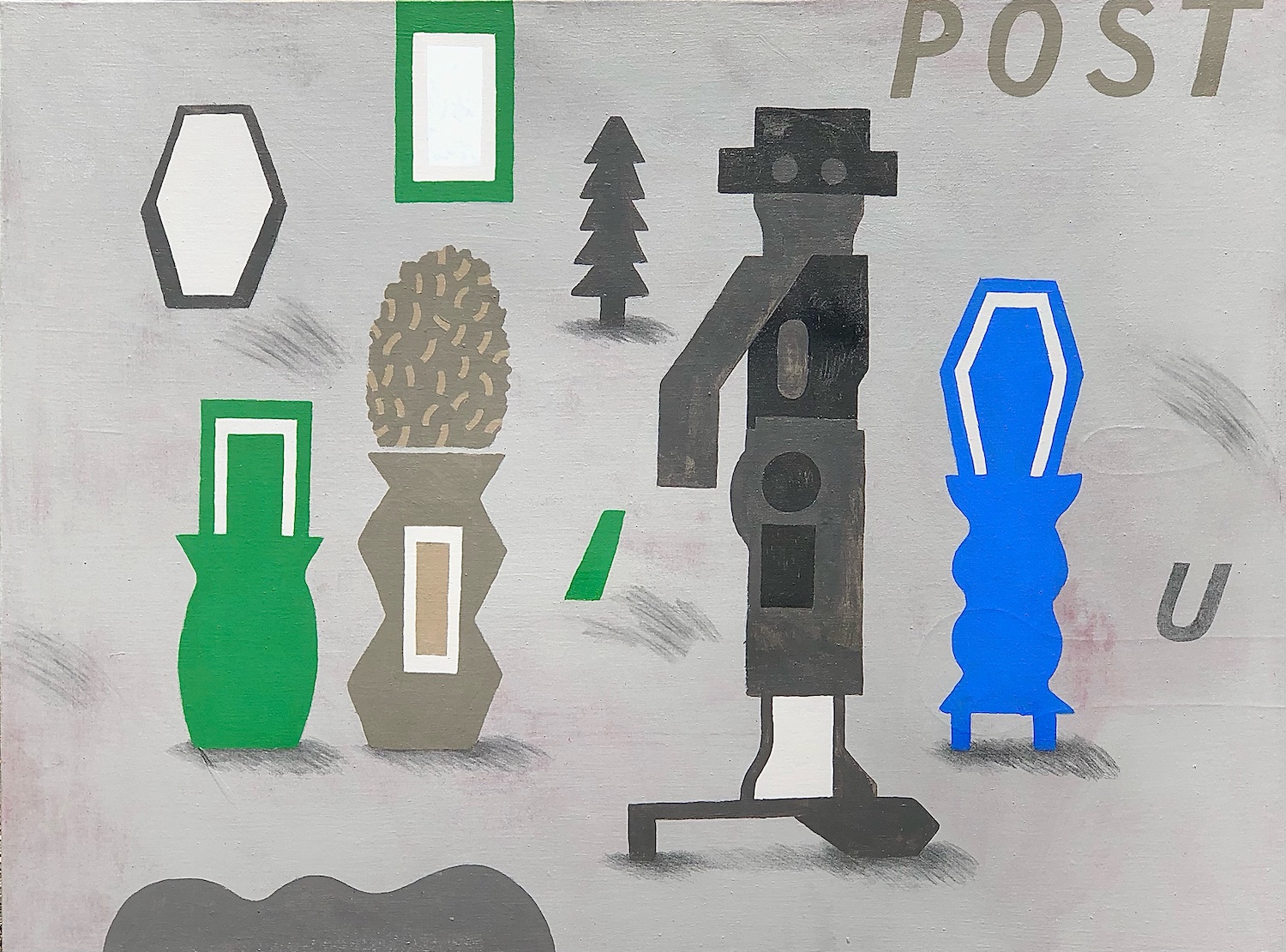
Warren Dykeman grew up in the desert of eastern Washington in Kennewick, just outside the Hanford Nuclear Reservation. Having lived under the shadow of America’s atomic ambitions, Warrens work is informed by the Cold War era Americana that surrounded him in those formative years. His paintings and drawings draw upon elements of folk art, handmade sign lettering, digital art, and collage. Utilizing a variety of materials, with a nod to the past, Warren embraces the new technology of the digital age combining his experience as a Designer to create compositions that use vector graphics as a jump off for his unique take on primitive folk art styles.
Warren received a BFA from Western Washington University and studied painting under Ed Bereal of the Los Angeles Cool School.
VIEW SELECT AVAILABLE WORK︎
My work is shaped by growing up in the desert of eastern Washington, in the long shadow of the Hanford Nuclear Reservation. Surrounded by the quiet presence of Cold War–era ambition and anxiety, I developed an early sensitivity to the visual language of American industry, handmade signs, mid-century infrastructure, and regional folk traditions. These environments—simultaneously pragmatic and symbolic—continue to inform my paintings and drawings, where nostalgia and modernity coexist in an uneasy but generative balance.
I consider myself a figurative painter, though my work often hovers between figuration and abstraction. Non-objective shapes, organic forms, and architectural or design elements frequently occupy the surface, but the human figure remains a central point of inquiry. I am drawn to form and contour, and especially to the act of reworking a line—pushing at the boundary between shape and icon until it becomes something newly charged. Figures emerge, dissolve, and reassert themselves, functioning less as portraits and more as structures that carry emotional, cultural, and formal weight.
My process bridges digital and analog approaches. I often use the computer as a gathering place, assembling and composing individual forms into studies that allow for open-ended exploration. These digital compositions may be projected or transferred onto a surface, serving as a loose framework rather than a fixed plan. The work ultimately lives in the hand. I value the evidence of making—the scar left by a pencil, the drag of a brush, the abrasion of erasure, the texture pressed into paint with a rag.
I consider myself a figurative painter, though my work often hovers between figuration and abstraction. Non-objective shapes, organic forms, and architectural or design elements frequently occupy the surface, but the human figure remains a central point of inquiry. I am drawn to form and contour, and especially to the act of reworking a line—pushing at the boundary between shape and icon until it becomes something newly charged. Figures emerge, dissolve, and reassert themselves, functioning less as portraits and more as structures that carry emotional, cultural, and formal weight.
My process bridges digital and analog approaches. I often use the computer as a gathering place, assembling and composing individual forms into studies that allow for open-ended exploration. These digital compositions may be projected or transferred onto a surface, serving as a loose framework rather than a fixed plan. The work ultimately lives in the hand. I value the evidence of making—the scar left by a pencil, the drag of a brush, the abrasion of erasure, the texture pressed into paint with a rag.